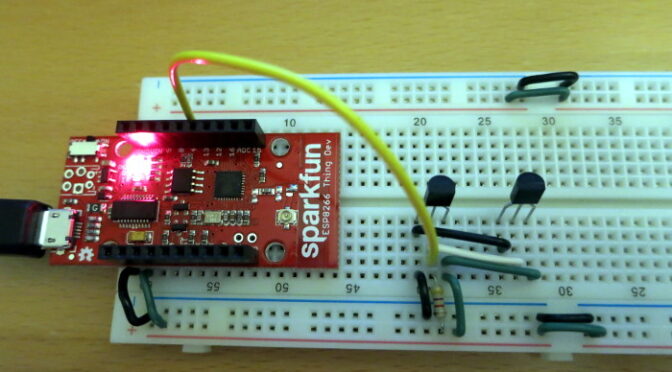
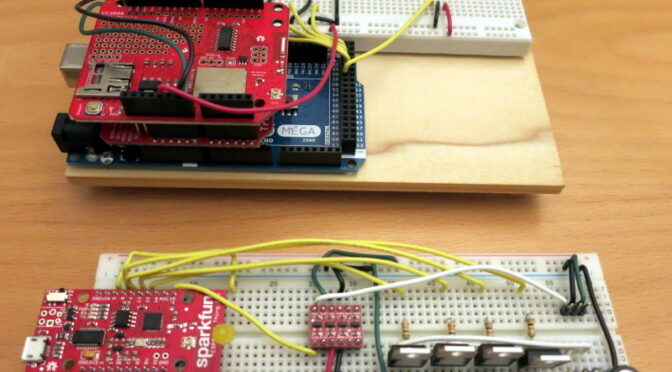
In my previous post I started the electronics and software for an Arduino Sketch for an ESP8266 WiFi microprocessor and several MAX31820 temperature sensors, that will eventually estimate and upload the level of water in our well water tank.
Since my last post I’ve updated the WellDepthTemperature github repo for the project to read 12 temperature sensors and to do a better job of reporting WiFi errors. That code now successfully identifies and reads the temperature from 12 MAX31820 sensors via a Sparkfun ESP8266 Thing Dev board, all on a breadboard for now.
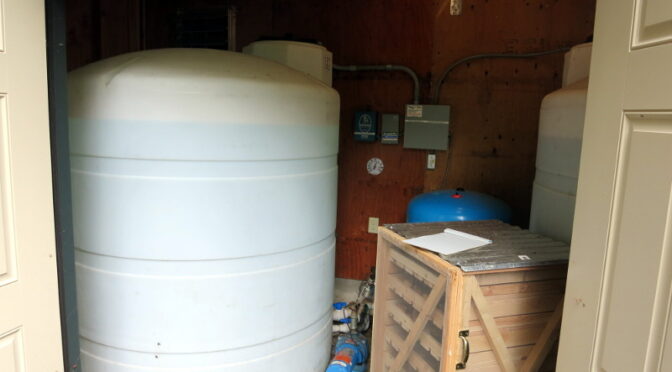
I’ve begun another Arduino/ESP8266 project: reporting the level of water in our well tank. This project will involve the ESP8266, MAX31820 temperature sensors, some mechanical work, sending data to a web-based database, and interpreting the temperature data to estimate the well water level.
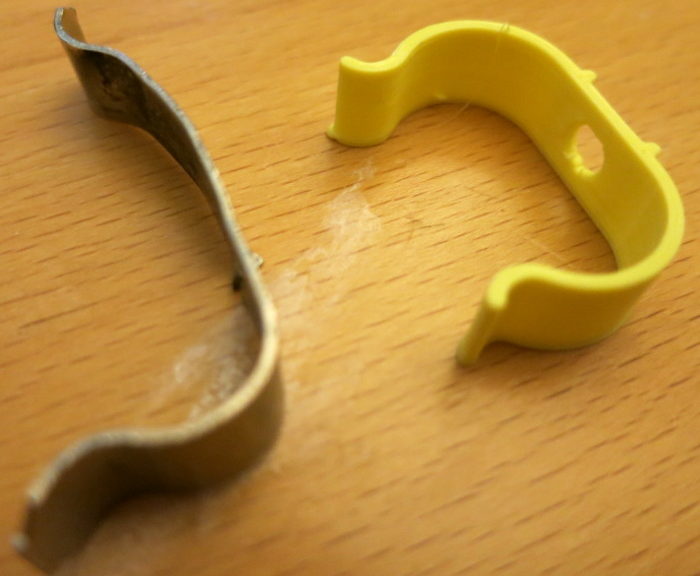
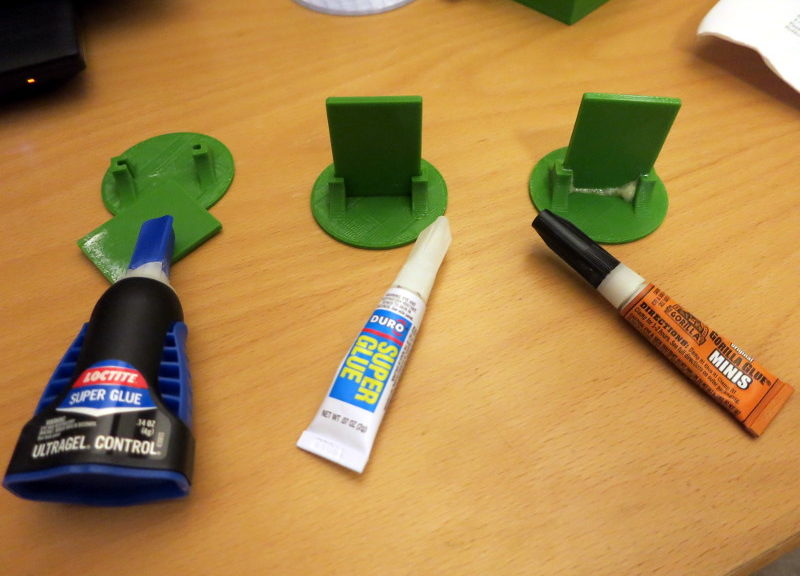
I’ve found 3D printing to be perfect for creating replacement parts for the various things that break around the house. Recently I realized that I could make a replacement for the armoire door clip that had been bent beyond recognition over the years. This post details how I designed and tested the 3D printed replacement, including a checklist at the end of this post.
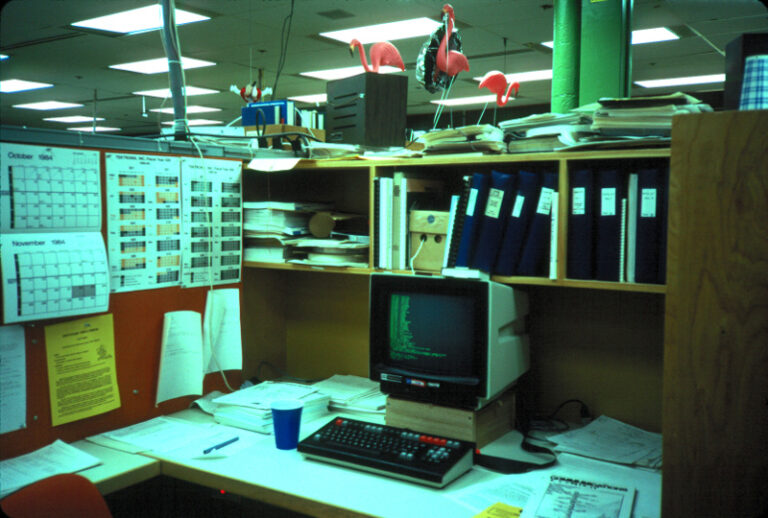
I try not to spend much time talking about ye olde timey computing that I lived through, because it quickly becomes boring to all but those who were there, and the future is so much more exciting. But in looking up evidence I had of Tektronix having Ethernet (and Internet connectivity before that), I found a photo of my olde timey Tektronix office desk, and couldn’t resist cataloging how office computing has changed.
It’s October 1984. The original Mac was announced in January. I’ve been working at Tektronix in Beaverton, Oregon for 6 years. On a whim, I took a picture of my office desk.
I have to confess that sometimes I need a push to make the right design choice.
It’s been a long time – way too long – since I worked on my Lunar Clock project. In the meantime, Sparkfun has introduced new, inexpensive microcontrollers aimed at Internet-of-Things applications. I knew one of those new microcontrollers would be perfect for the Lunar Clock, but I dragged my feet.
Then one day, a Github user pointed out that one of the boards I was using has been obsoleted.
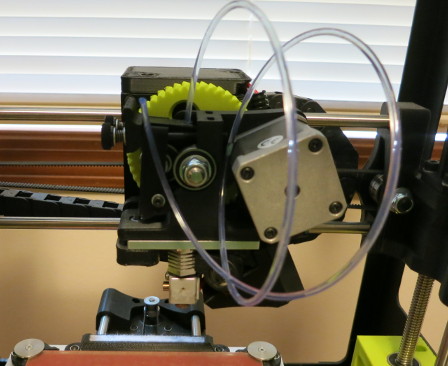
“Do I have enough filament to print this one thing?” That’s the question on my mind whenever I’m nearing the end of a reel of filament. I can’t stand wasting a few meters of filament by underestimating what’s left, and I don’t want to unwind a few meters of filament just to measure it and wind it back on the reel.
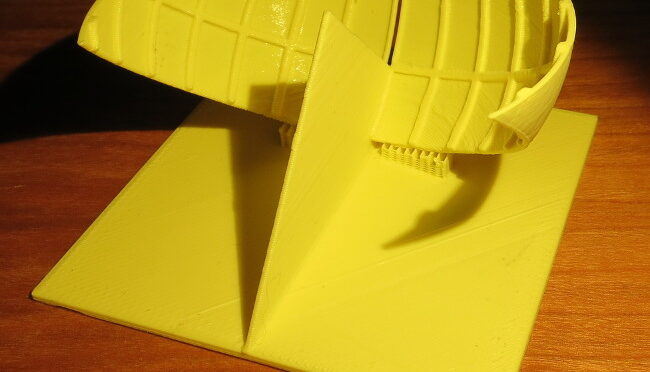
I’ve been interested in sundials for ages. Tracking the sun’s path by observing the shadow of a stick is an ancient form of astronomy, and a gateway into geometry (literally “land measurement”).
A sundial often marks the solstices and equinoxes, and enables measurement of the cardinal directions of north, south, east, and west: at the peak of its daily journey through the sky, the sun throws a north-south shadow; on the equinoxes, the shadow of the sun draws an east-west line. Ancient sundials acted as calendars, showing precisely when the sun returned to a given spot in its annual journey from south to north and back again.
Recently while working on an open source Arduino library (more about that later) I ran into a challenge: how to make the library’s interrupt-related code compile into the Sketch only if the Sketch writer needed it?
If you’ve done much 3d printing, you’ve probably noticed occasional bubbles in your print. Many 3d filaments absorb water from the air, causing the plastic to bubble as it extrudes from the hot end of the printer.