Printing replacement parts for your Prusa 3D printer

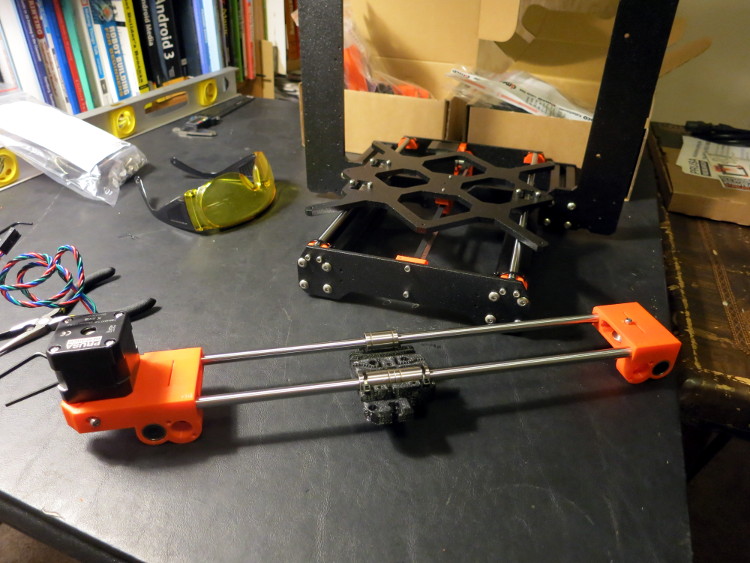
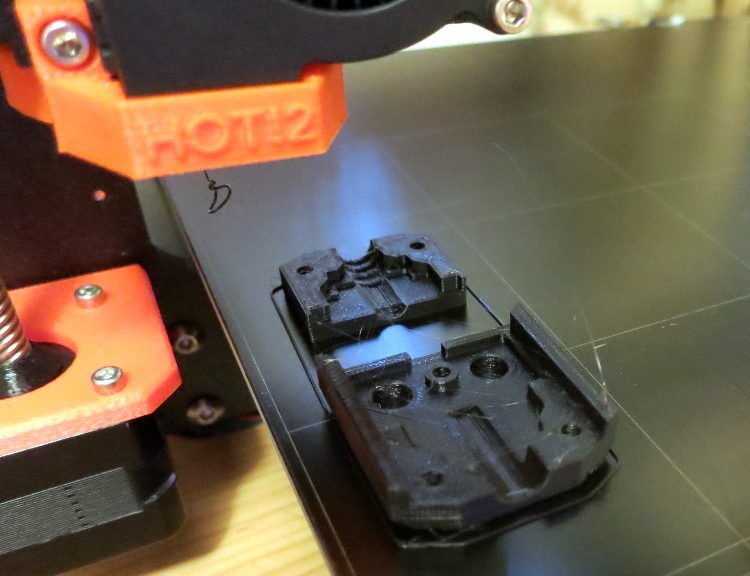
I recently bought and assembled a Prusa i3 MK3 kit, and decided to prepare for printing emergencies by printing a full set of replacement parts as soon as the printer was working well.

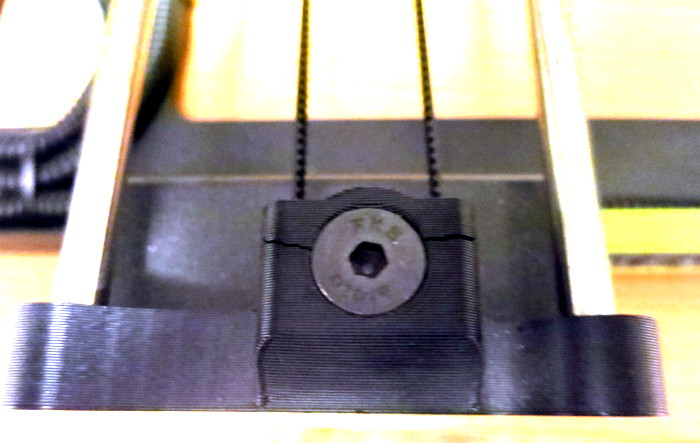
I’d found, in using my other printer, that even high-quality printed parts do eventually delaminate under stress: after two years, that printer’s X and Y idler supports developed fractures. Because I couldn’t print the replacement parts (and because doing the replacement seemed daunting at the time), I wound up sending that printer to the factory for repairs.

I’ve also seen notes and videos from people recommending a set of replacement parts as a backup, in case you break a part while adjusting or doing maintenance on your printer. Having replacement parts on hand is also a good preparation for helping a 3D printing friend when their printer breaks.

Continue reading Printing replacement parts for your Prusa 3D printer
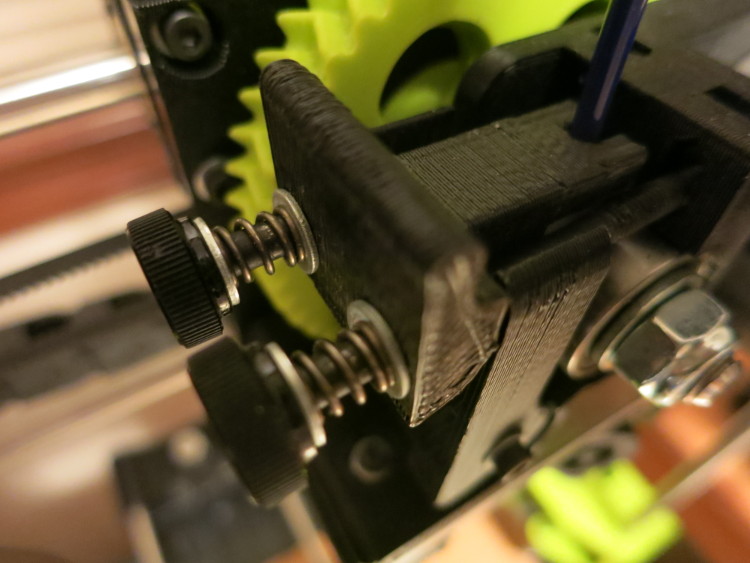
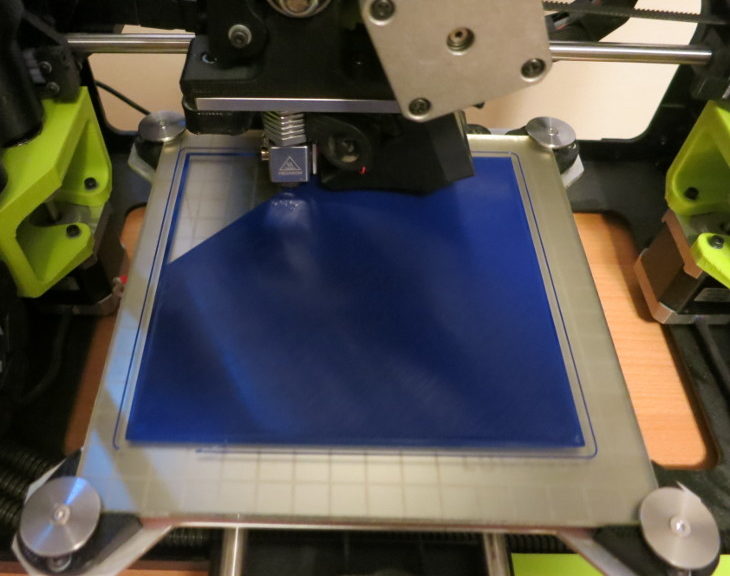
Extruder gear tension: the overlooked adjustment

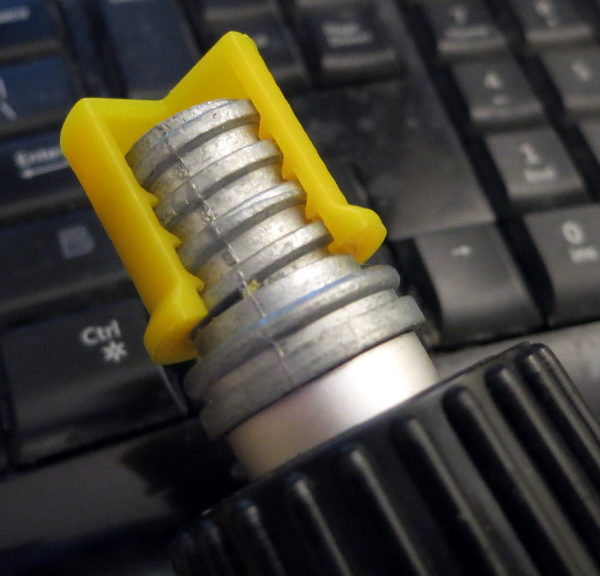
I used to think that 3D Printer extruder tension – how much pressure the extruder hobbed gear exerts on the filament to move it forward – was a pretty forgiving thing. At one extreme, there’s “so loose the filament doesn’t feed” and on the other, there’s “so tight the extruder motor binds”. I thought everything in between was ok.

My assumption was confirmed each time I read advice on how to tune a misbehaving printer: people rarely mentioned extruder tension.

My recent fight to fix a bad print taught me that incorrect extruder tension can make a huge difference in your print quality after all.

Continue reading Extruder gear tension: the overlooked adjustment

Testing Your 3D Printer’s First Layer Height Calibration

One of the last steps of assembling a Prusa i3 MK3 3d printer is to manually adjust the Z height. As I adjusted my printer’s Z height, I began to wonder what the Z height calibration looked like on my older printer, a Lulzbot Mini. At the same time, I became curious about what size that Lulzbot Mini can print. A simple test print answered both questions.

Continue reading Testing Your 3D Printer’s First Layer Height Calibration

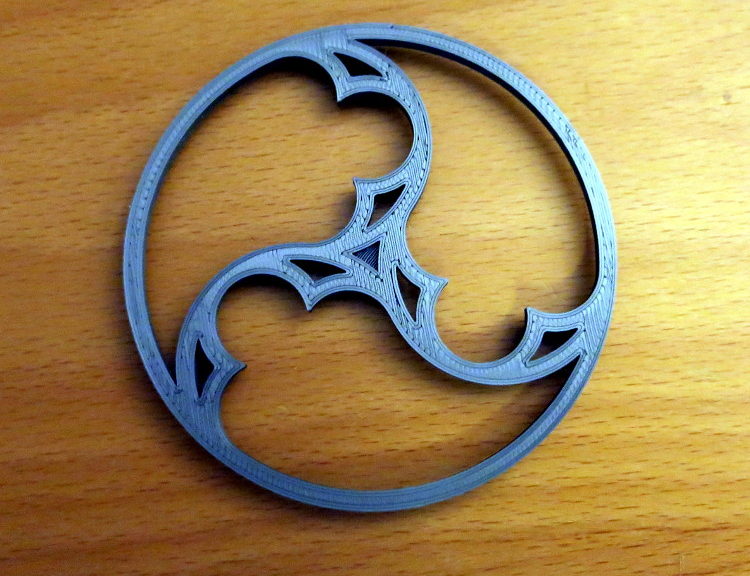
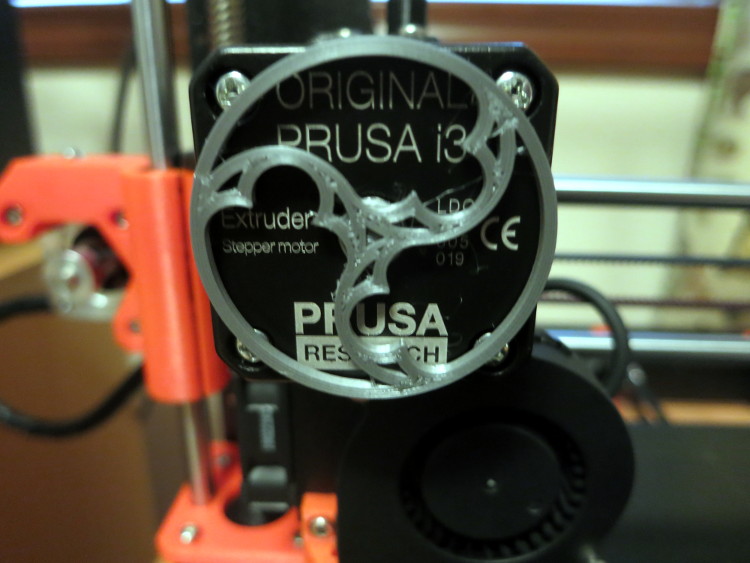
Designing a Gothic Trefoil in FreeCAD

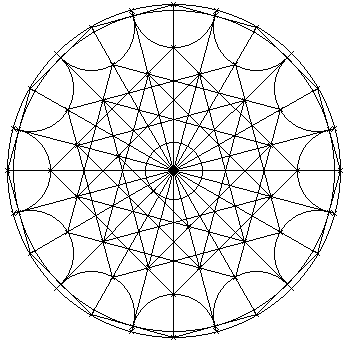
I’ve been interested in the Tracery in Gothic Cathedrals –  the delicate patterns in stone walls and windows – for years. In this post, I show you how to design of one type of Gothic ornament, using FreeCAD. You can follow along with the FreeCAD file on Cults3D, or you can use your favorite CAD application, such as Autodesk Fusion 360.

Continue reading Designing a Gothic Trefoil in FreeCAD

My 3D Printer is showing its age

I bought my Lulzbot Mini 3D printer almost 2 years ago, and I’ve loved it. While I’ve read others’ troubles trying to get their kit 3D printers working, or calibrated, or repaired, or trying to get their prints to stick, or not stick… my little Lulzbot Mini has been chugging reliably along, printing accurate objects every time.

Now, inevitably, I have to admit my printer is showing its age, and that it’s time to get my hands dirty with a little maintenance.

Continue reading My 3D Printer is showing its age

Geometry, Gothic Architecture, Rose Windows, and Christmas Ornaments

(first published on Needhamia.com in 2007)

I find the rose windows of Gothic cathedrals awe-inspiring. From the rigid formalism of Chartres to the flamboyant explosion of Tours, their marriage of geometry, philosophy, and aesthetics with stone and glass is awesome. Built at a time when science and spirit weren’t as divided as today, each window is a statement of the beauty, order, and harmony in the world. Using only a pair of compasses (dividers) and a straight-edge (an unmarked ruler), the Gothic architects created myriad lace-like designs, making stone hang in the air and glass sing.

Continue reading Geometry, Gothic Architecture, Rose Windows, and Christmas Ornaments

Build a Minimal Weather Underground Station

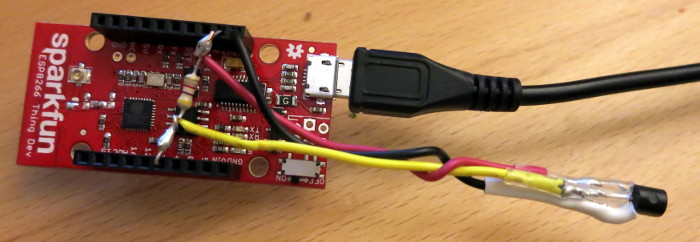
Today’s post is a How-To for a project I recently completed: a temperature-only Weather Underground Personal Weather Station made from an ESP8266, a MAX31820 temperature sensor, and a few miscellaneous parts. The whole project fits inside a 3D printed project box for mounting on an exterior wall that is sheltered from the weather.

The open source project files are in my MAX31820WeatherStation Github repository.

Continue reading Build a Minimal Weather Underground Station

Technical Writing and Self-Pubilshing